
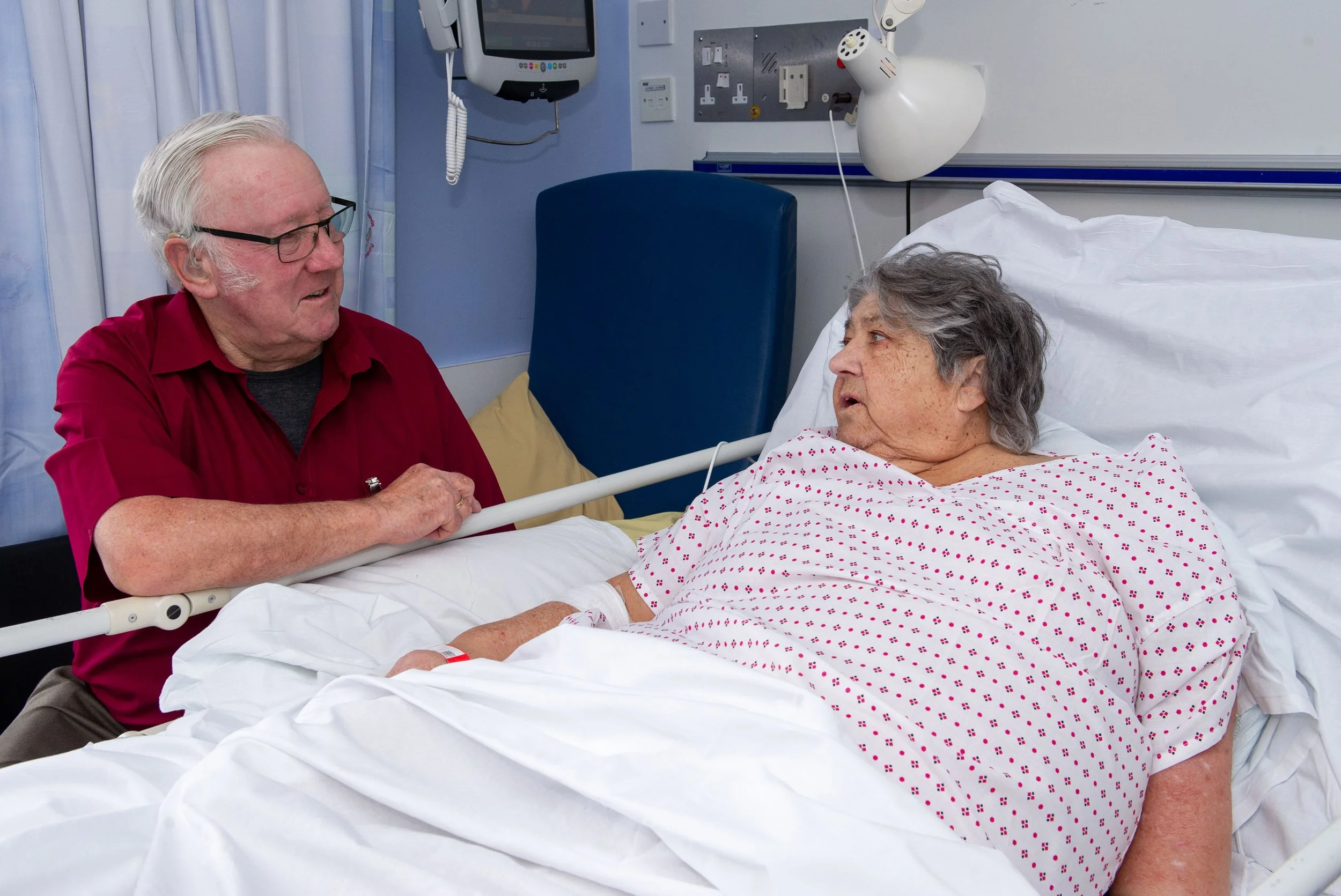
Becoming a Healthcare Chaplain
Healthcare chaplaincy over the last decade has begun to move away from a largely faith‑based service to a recognised clinical profession. The CPCPC (formerly UKBHC) standards, code of conduct and competency frameworks are acknowledged as a way to bring chaplaincy in line with other allied health professions.
Postgraduate training is increasingly expected of chaplains with many obtaining postgraduate diplomas or master’s degrees focused on evidence‑based spiritual care and reflective practice.
In Scotland, a national Spiritual Care Framework has been introduced alongside the role of Spiritual Caregiver. These changes are aimed at formalising training, ensuring consistent competencies across Health Boards and embedding inclusive, multi‑belief spiritual care within mainstream healthcare.
Short courses in Chaplaincy
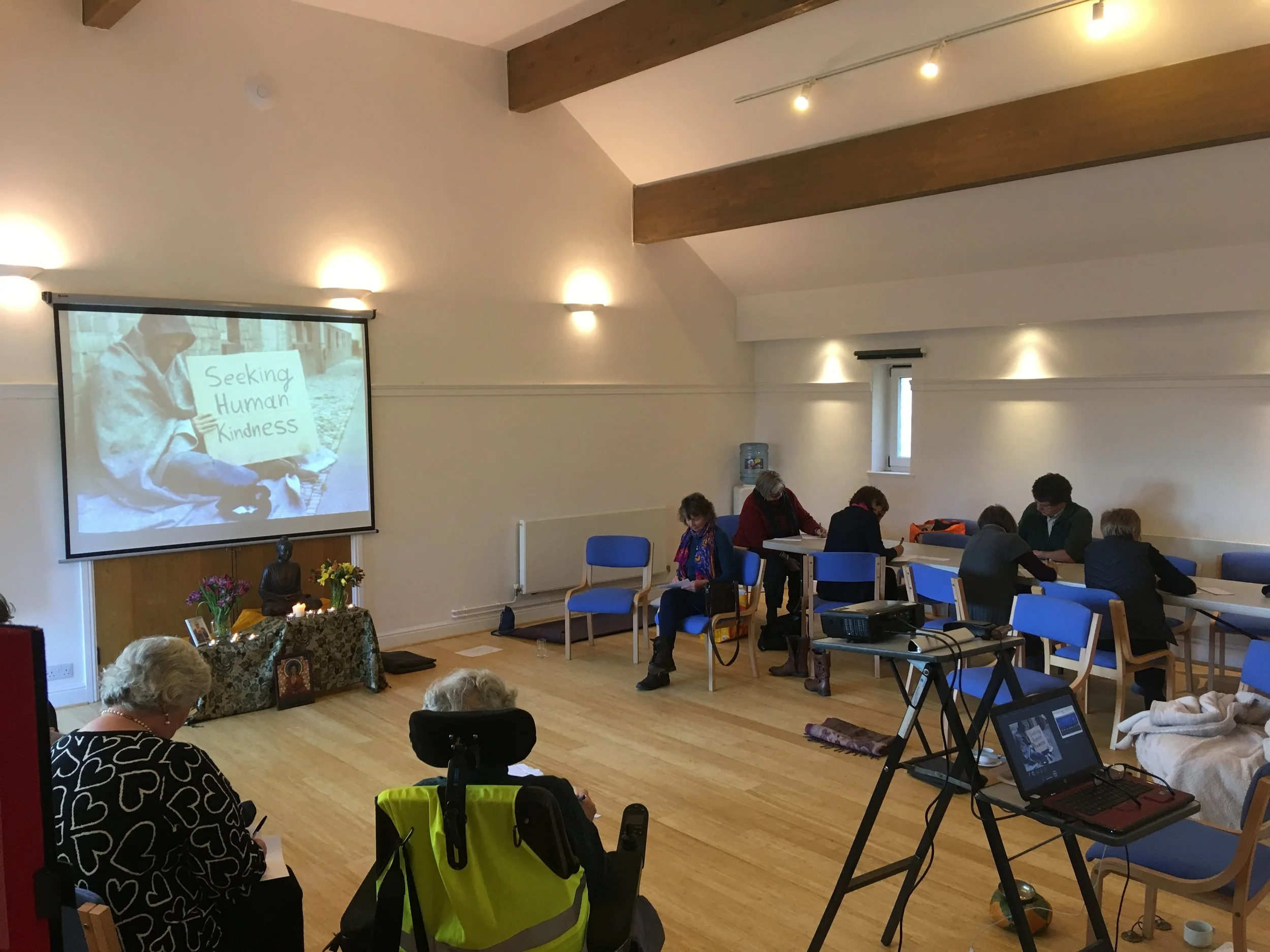
Short courses in chaplaincy have been provided by the NHS and the Network of Buddhist Organisations. When details of future courses are known, they will be posted here.
Some NHS Trusts also provide courses and placement opportunities for those interested in chaplaincy.
Postgraduate Education
A number of universities offer postgraduate (PGCert or MA) courses in chaplaincy. Those seeking full registration as a Healthcare Chaplain with CPCPC must complete an accredited course. A full list is available here.
Please note that some courses are still aimed predominantly at Christian students, whilst others (e.g. Birmingham Newman University) are more inclusive of students of all faiths.